Nvillage — hébergement minpaku près de la gare de Hachinohe (sortie ouest)Transformez les pauses du voyage
en instants chaleureux.
Une chambre d'hôtes neuve où l'on séjourne à Hachinohe comme chez soi.
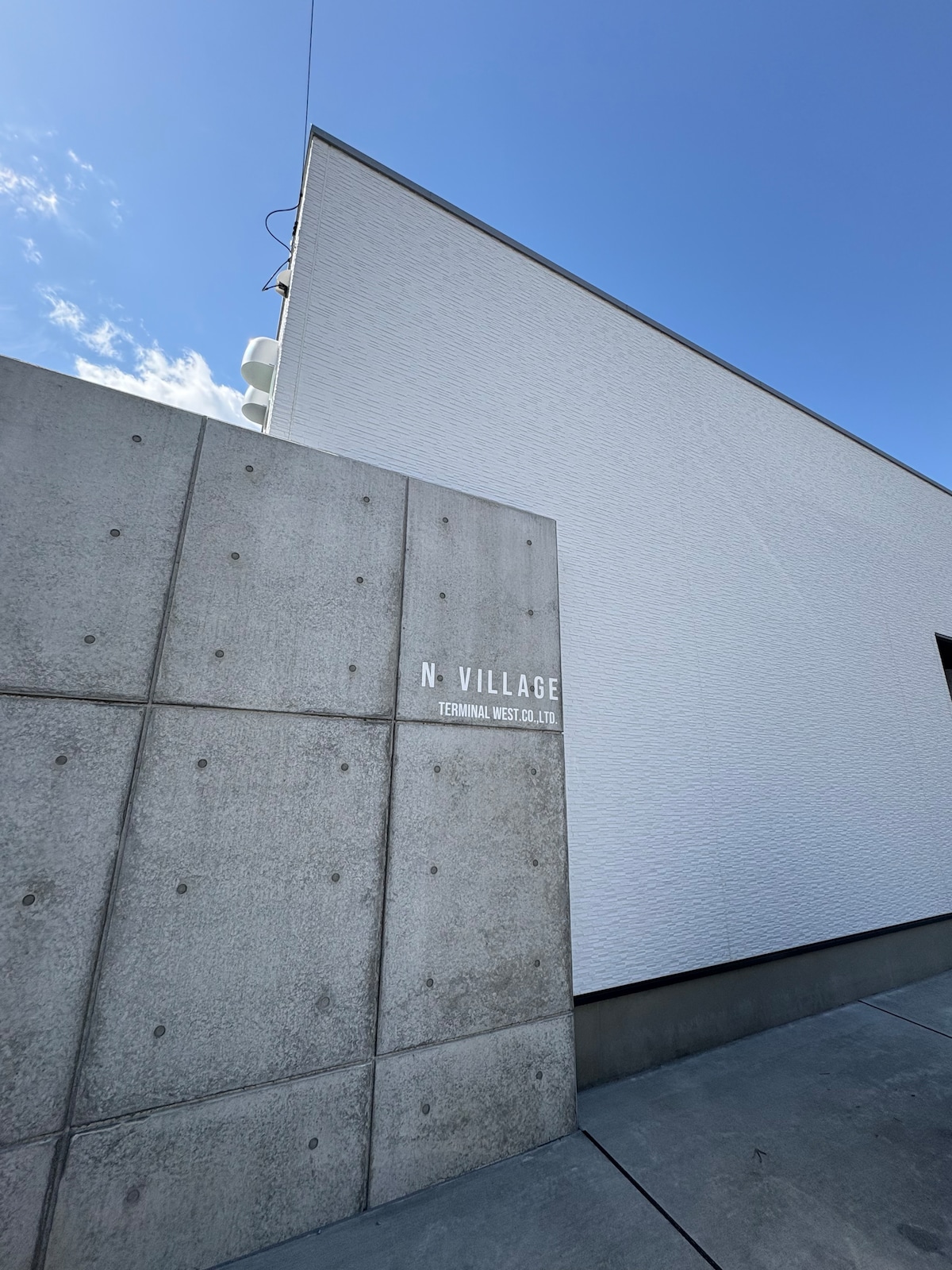
Idéalement située, à environ 10 à 12 minutes à pied de la sortie ouest de la gare de Hachinohe.
Dans un quartier résidentiel paisible,
séjournez comme chez vous.
Une chambre d'hôtes neuve nichée dans un quartier résidentiel tranquille, facilement accessible depuis la sortie ouest de la gare de Hachinohe, la porte d'entrée de la ville. Avec sa chambre privée et ses espaces communs agréables, elle vous offre un « voyage comme à la maison », chaleureux, aussi bien pour les affaires que pour le tourisme.
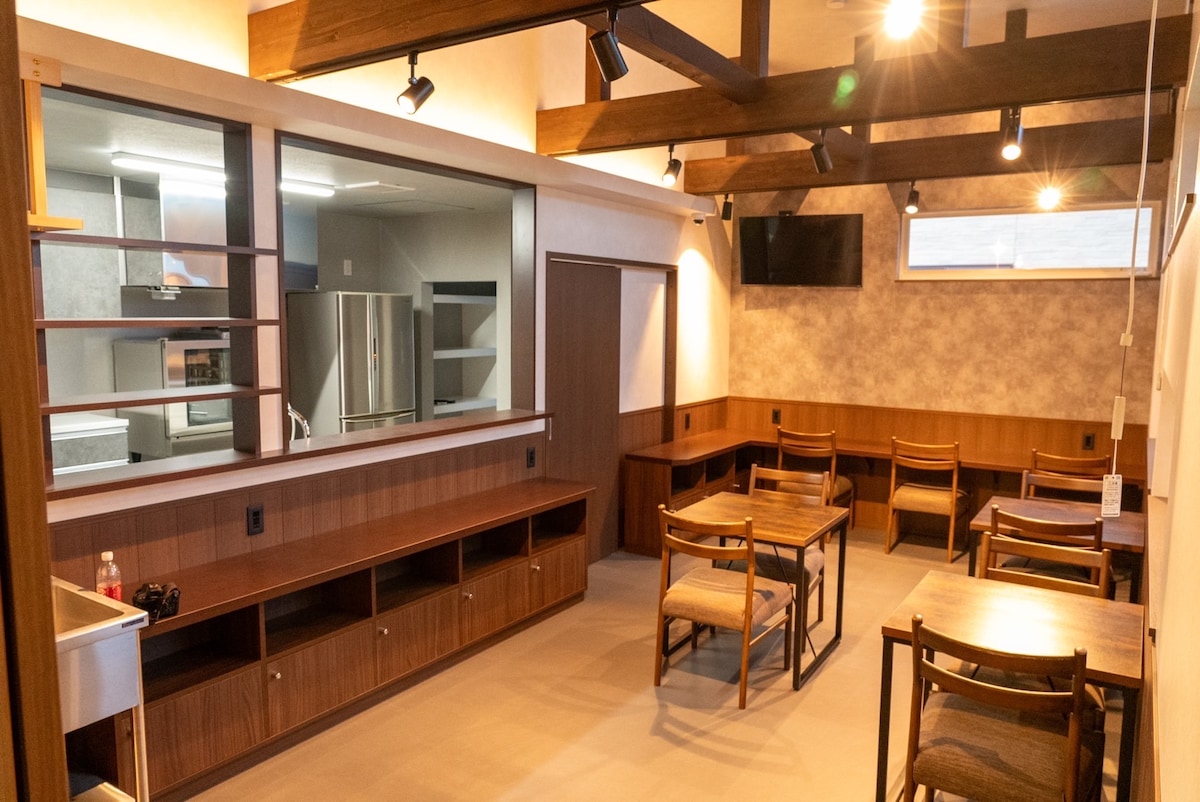
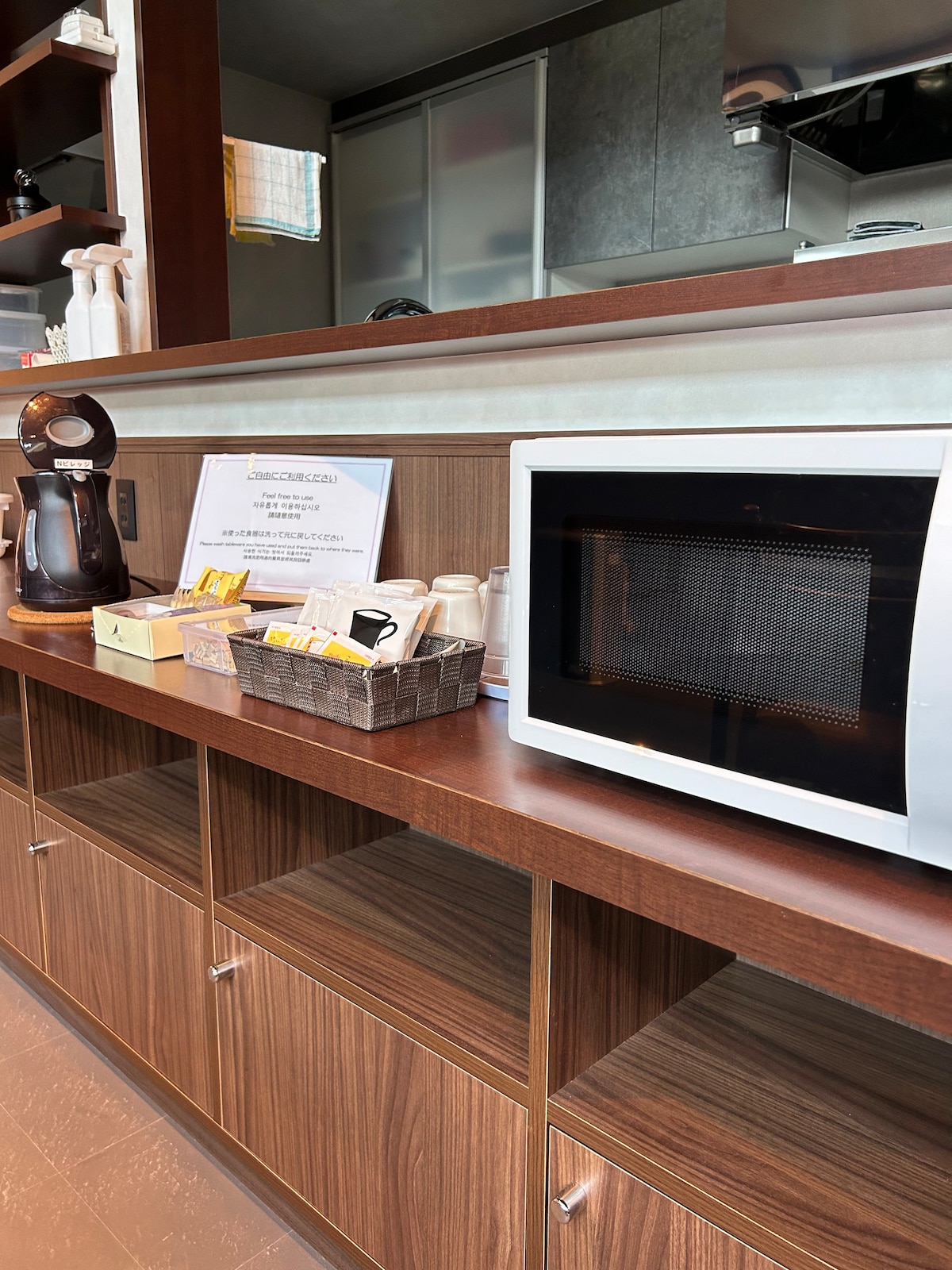
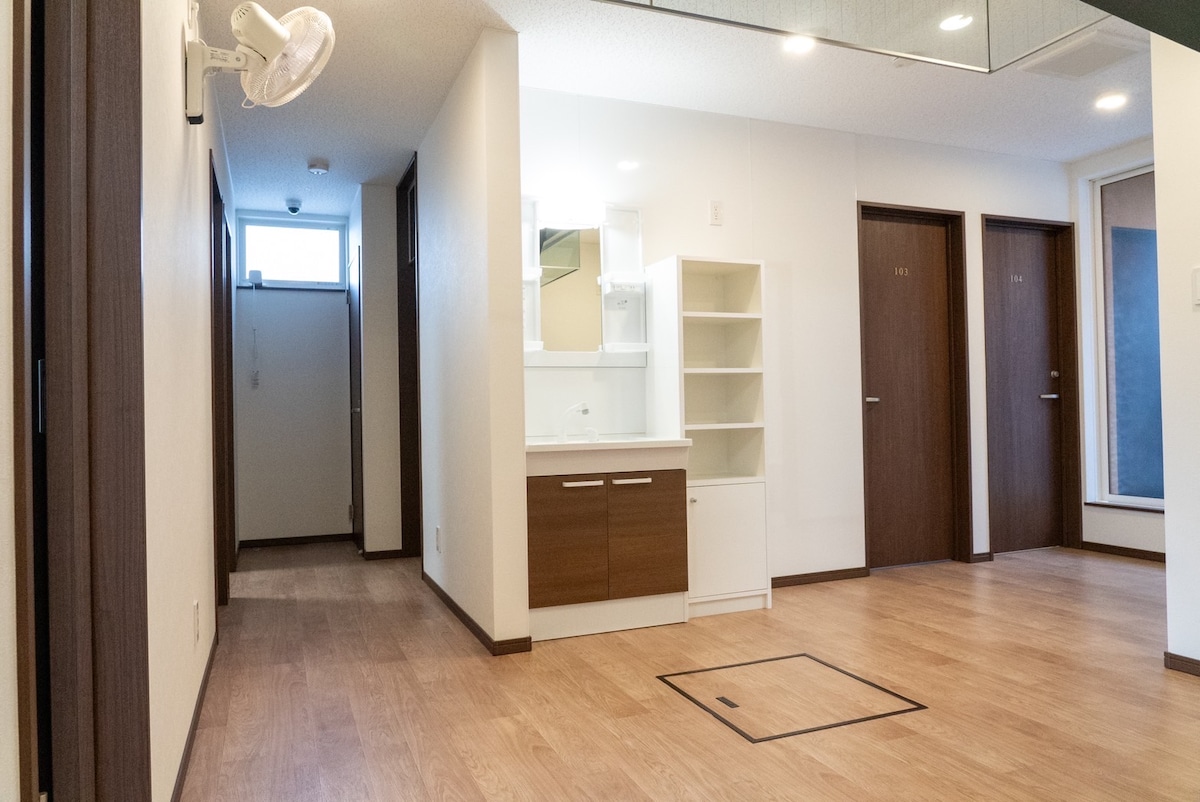
Avec son salon à l'atmosphère boisée, sa buanderie pratique et ses douches privatives à clé, c'est un lieu où l'on séjourne sereinement, en déplacement professionnel comme en voyage en solo.
Pour préserver vos moments d'intimité,
une chambre individuelle privée
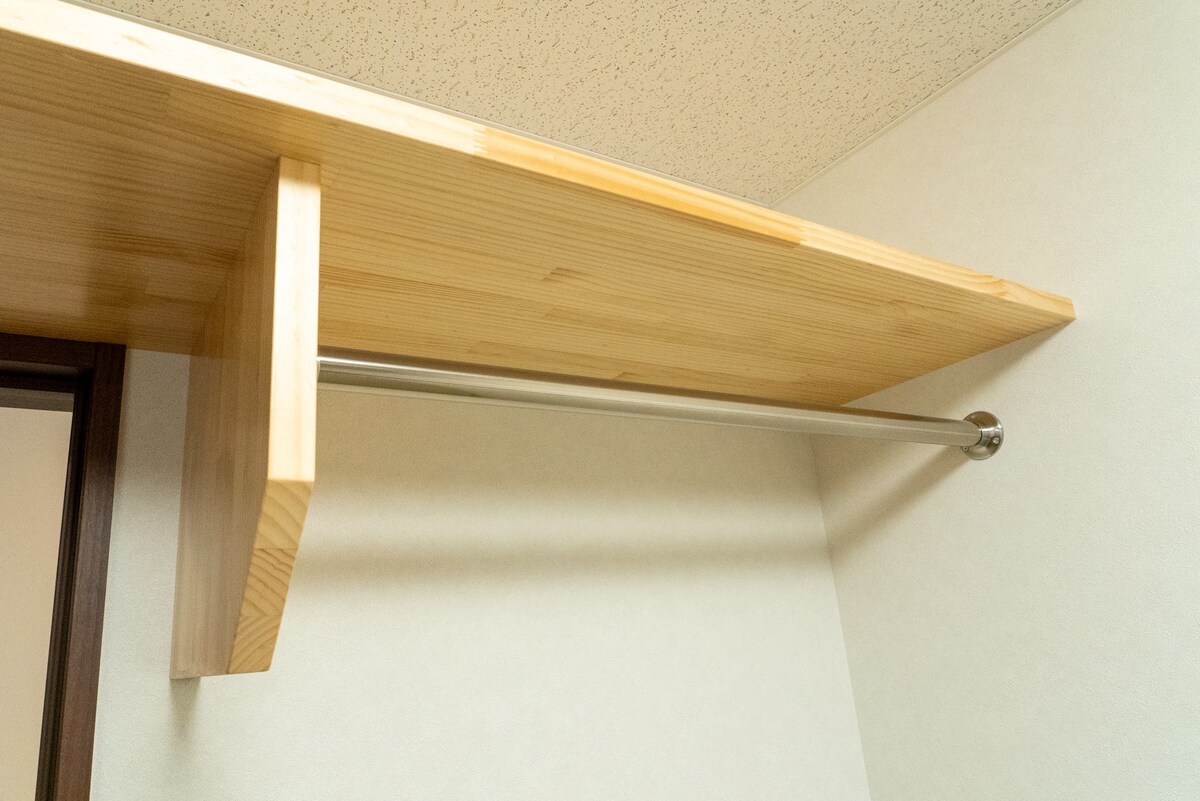
Une chambre individuelle de 3 tatamis (environ 5 m²) à la décoration apaisante. Équipée d'un bureau et de rangements, elle convient parfaitement aux déplacements professionnels comme aux longs séjours. Prévue pour une personne, elle vous laisse savourer pleinement votre temps à vous.
Des équipements communs complets pour un séjour tout confort
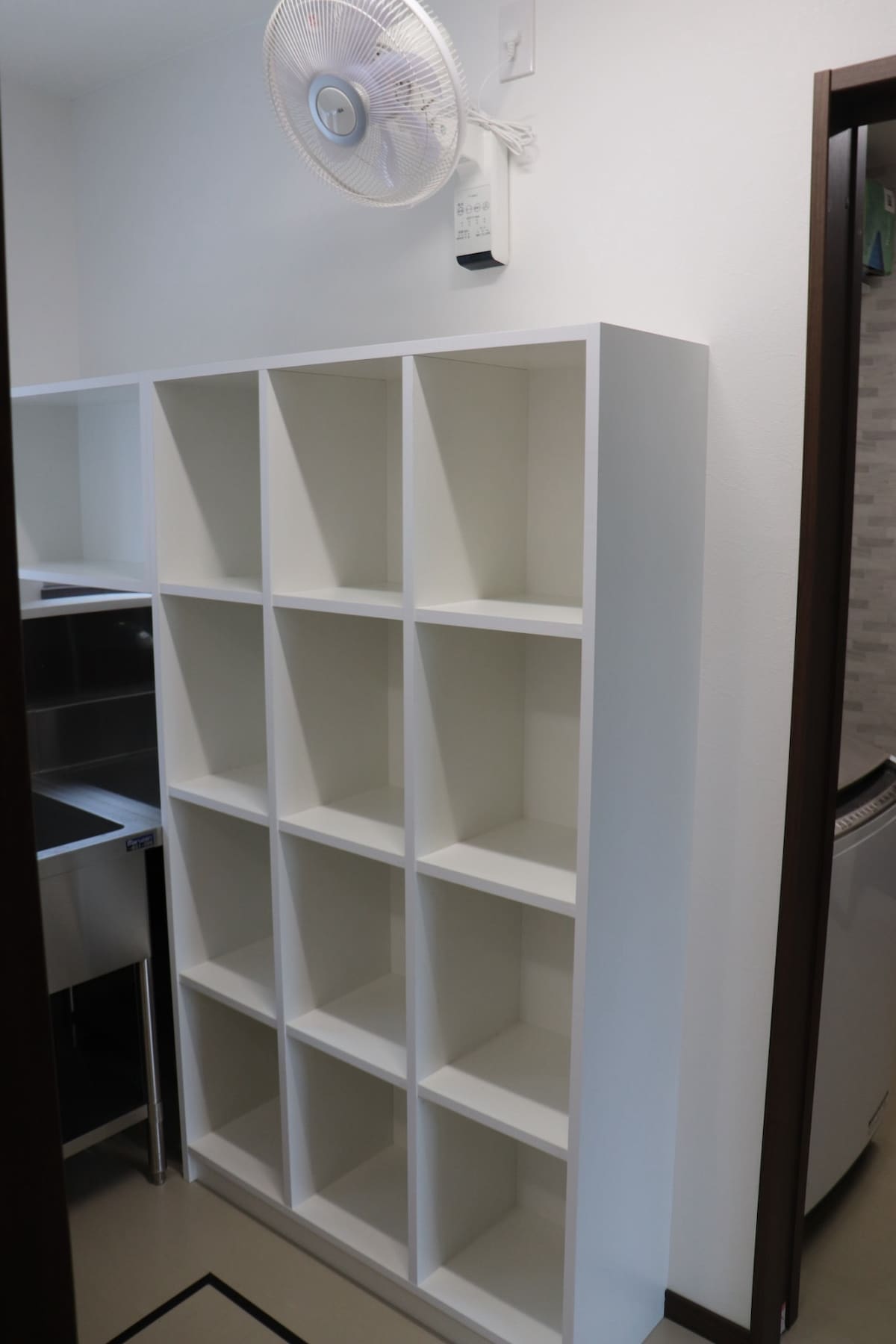
Salon, lave-linge et sèche-linge, douches privatives à clé : autant d'équipements pratiques, y compris pour les longs séjours.
Un moment de plénitude,
comme une récompense de voyage.
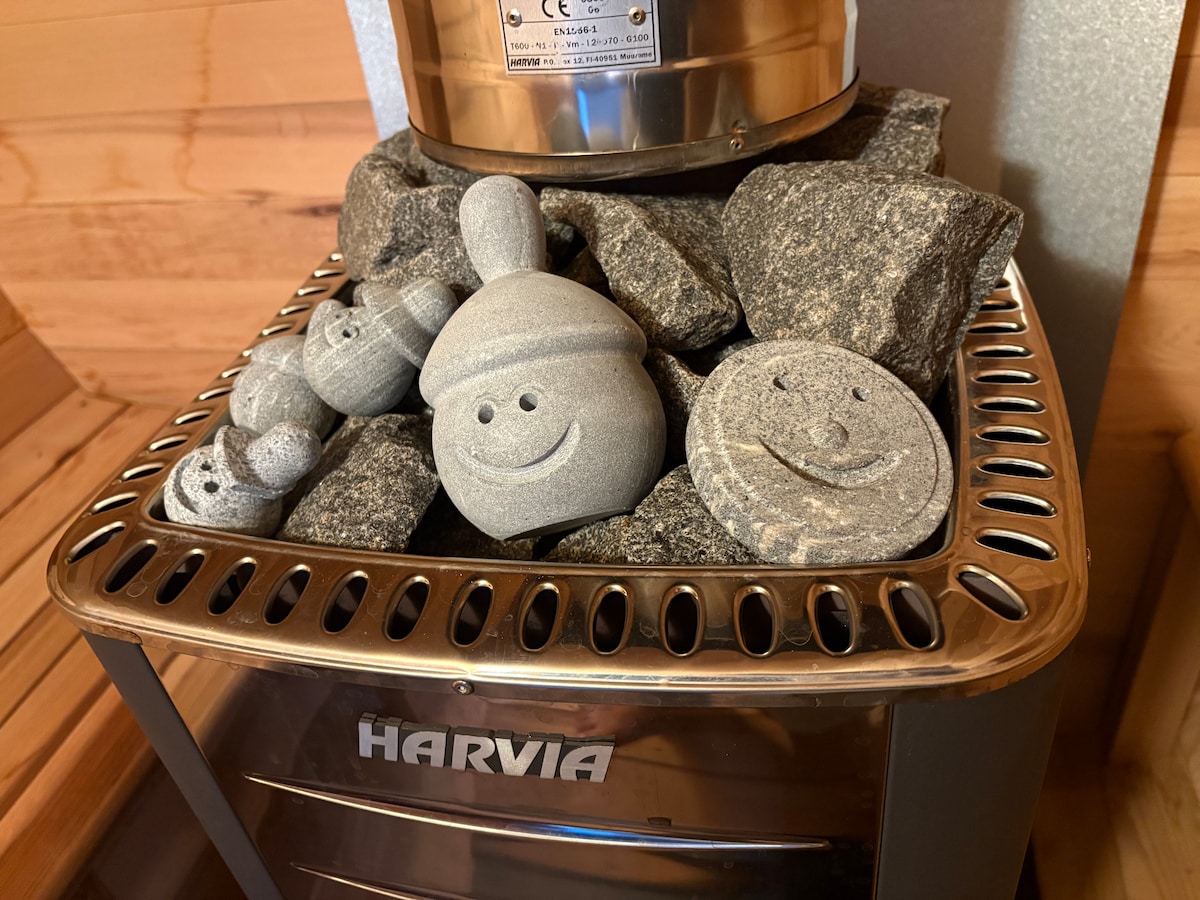
En option, profitez du sauna tonneau extérieur. Apaisez les fatigues du voyage et ressourcez-vous, corps et esprit.
※ Sur réservation préalable — option payante
Voir le détail du saunatonneau
Galerie photo
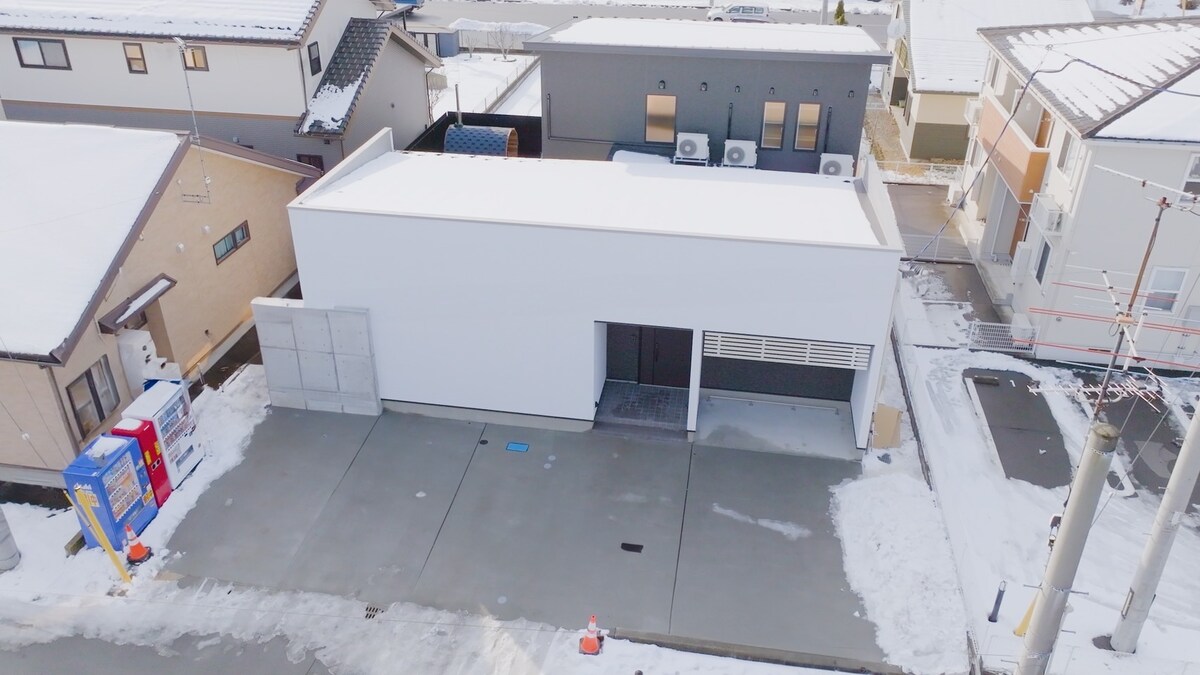
Idéalement situé, à 10 à 12 minutes à pied de la sortie ouest de la gare de Hachinohe.
Profiter de Hachinohe
Les lieux qui valent le detour pendant votre sejour et les guides a lire avant de partir.
Guides et recits
Voir tous les articles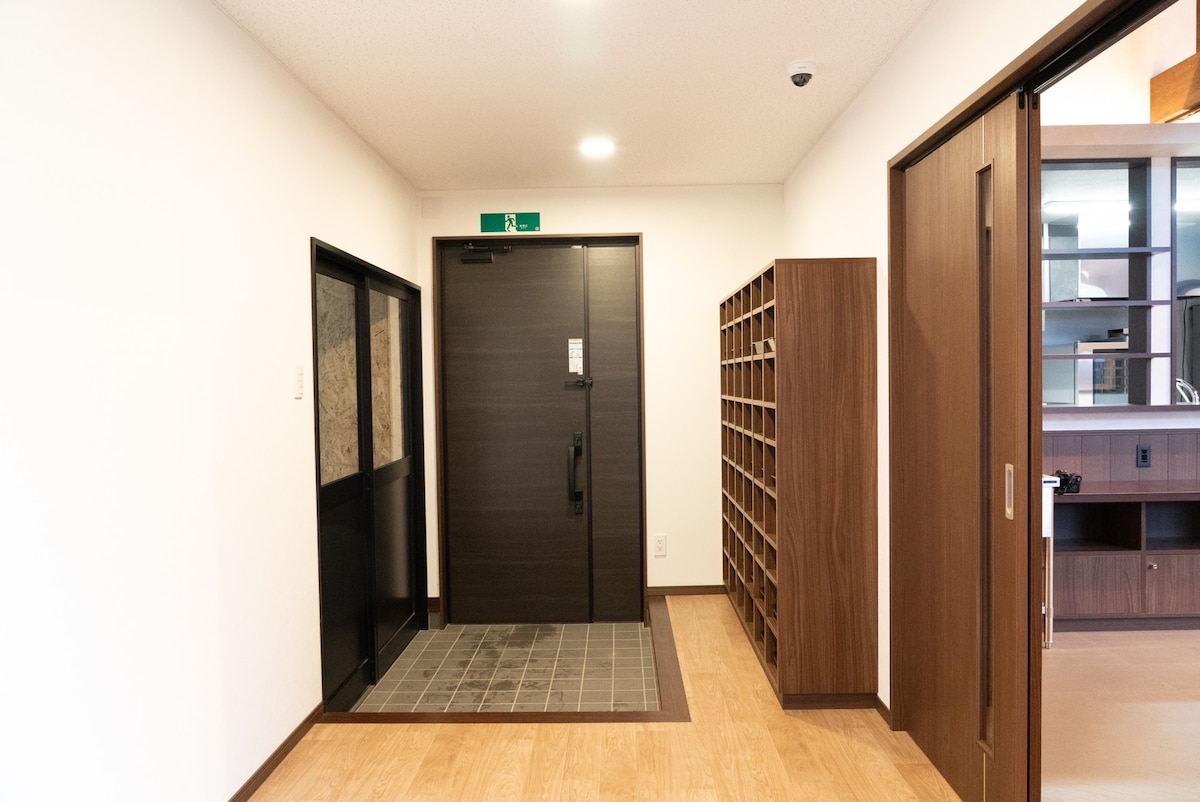
One connecting bus links Misawa Airport with Hachinohe in about 55 minutes. It terminates at Hon-Hachinohe Station and the Hachinohe Yokamachi stop downtown, not at the Shinkansen station. Here is the route, the fare, the Misawa Station shortcut, what to do when no bus serves your flight, and how to plan the trip back.
Hachinohe is not the deep-snow Aomori you have seen in photographs. What gets you here is not the depth of the snow but the wind off the Pacific and the ice underfoot in the morning. Here is the packing advice we give guests, from the host of a guesthouse by Hachinohe Station.
Guests who finish the Hashikami section always ask what lies past the border stone at Kominato. The answer is Hirono, in Iwate — about 28km from Kadonohama to Nakano, with none of Hashikami's climbing. It is the easiest terrain of the three sections and the longest, and the JR Hachinohe Line runs beside it the whole way. So the real question is which station you cut it at.
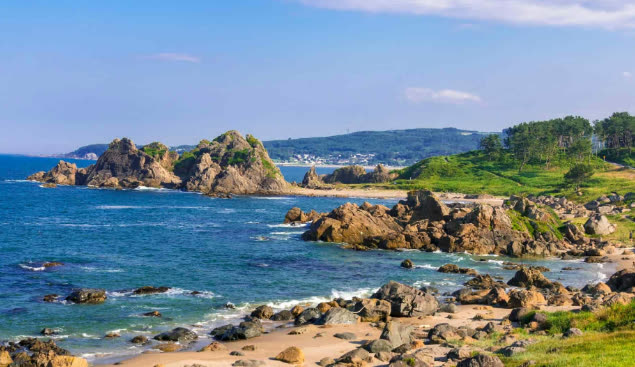
Guests who finish the Hachinohe section of the Michinoku Coastal Trail almost always ask the same question: what happens after Okuki? The answer is Hashikami — about 33km, and the only stretch of this 1,000km trail that climbs a mountain. Treat it as a continuation of yesterday's flat walk and you will come up short, so here is how to cut it into a day that works.
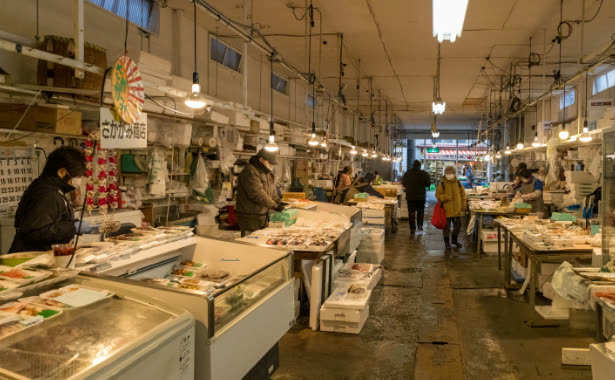
Hachinohe's kitchen, and a market the town still shops at. Three things decide whether your visit works: it closes on Sundays and the second Saturday of the month, the first train gets you there around 6:20, and the canteen inside shuts at about 10:00. How to get there, how to assemble your own breakfast from the stalls, and what to do if you land on a closed day - from the host of a guesthouse by Hachinohe Station.
Hachinohe has two similarly named stations about 6km apart. The Shinkansen stops at Hachinohe Station; the downtown bars and shopping streets are walking distance from Hon-Hachinohe Station. Here is how to pick between them, from the host of a guesthouse on the west side of Hachinohe Station.
The Michinoku Coastal Trail runs more than 1,000km from Hachinohe in Aomori to Soma in Fukushima, and its northern end is here. The Hachinohe section is about 12km with almost no climbing, reachable by local train, and you can quit at any point and ride back — here is how to plan the day, from the host of a guesthouse by the station.
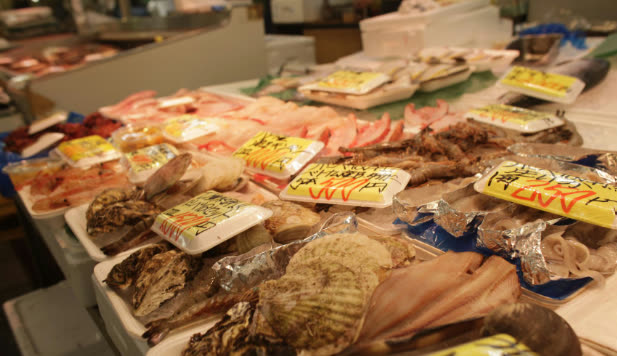
The first place we send guests who have just arrived. Which bus to take from Hachinohe Station (the fare went from 100 to 150 yen in April 2026), why opening hours differ from hall to hall, the order you have to do things in at the Shichirin-mura charcoal grills, and what is worth carrying home — from the host of a guesthouse by Hachinohe Station.
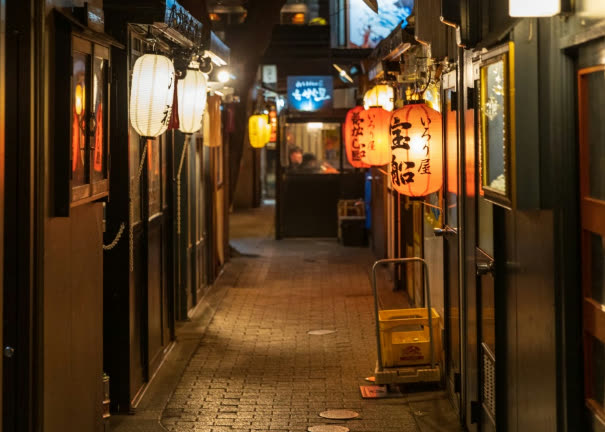
The cracker that goes into the pot is not the one you eat with tea. What Hachinohe senbei-jiru is, why a purpose-made cracker holds its shape in broth, when to eat it, and how to find one of the roughly 200 restaurants serving it — from the host of a guesthouse by Hachinohe Station.
Hachinohe's branded mackerel has a certification window that is redecided every year, and the squid season runs from summer into winter at the port with Japan's largest squid landings. When to come, how to buy at the two morning markets, and what to order at an izakaya — from the host of a guesthouse by the station.
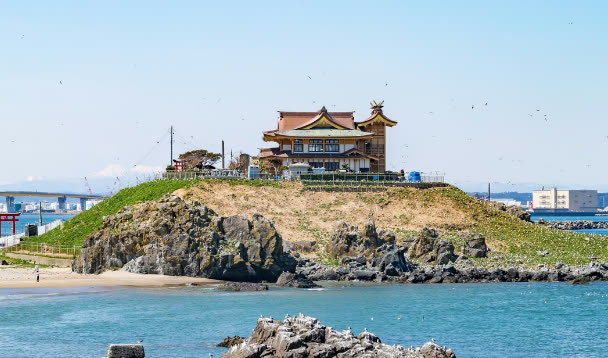
Natural lawn running right down to the waterline, and an island where thirty to forty thousand black-tailed gulls nest. Sanriku Fukko National Park is about thirty minutes from Hachinohe Station by local train — here is how to do it without a car, written by the host of a guesthouse by the station.
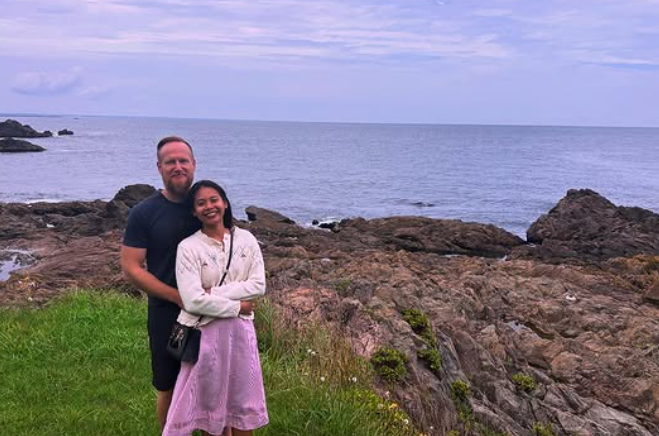
A couple about to get married stayed ten nights at Nvillage, our guesthouse by Hachinohe Station. Yokocho bar hopping, a sake brewery, high school baseball — the Hachinohe you only find when you stay a while.
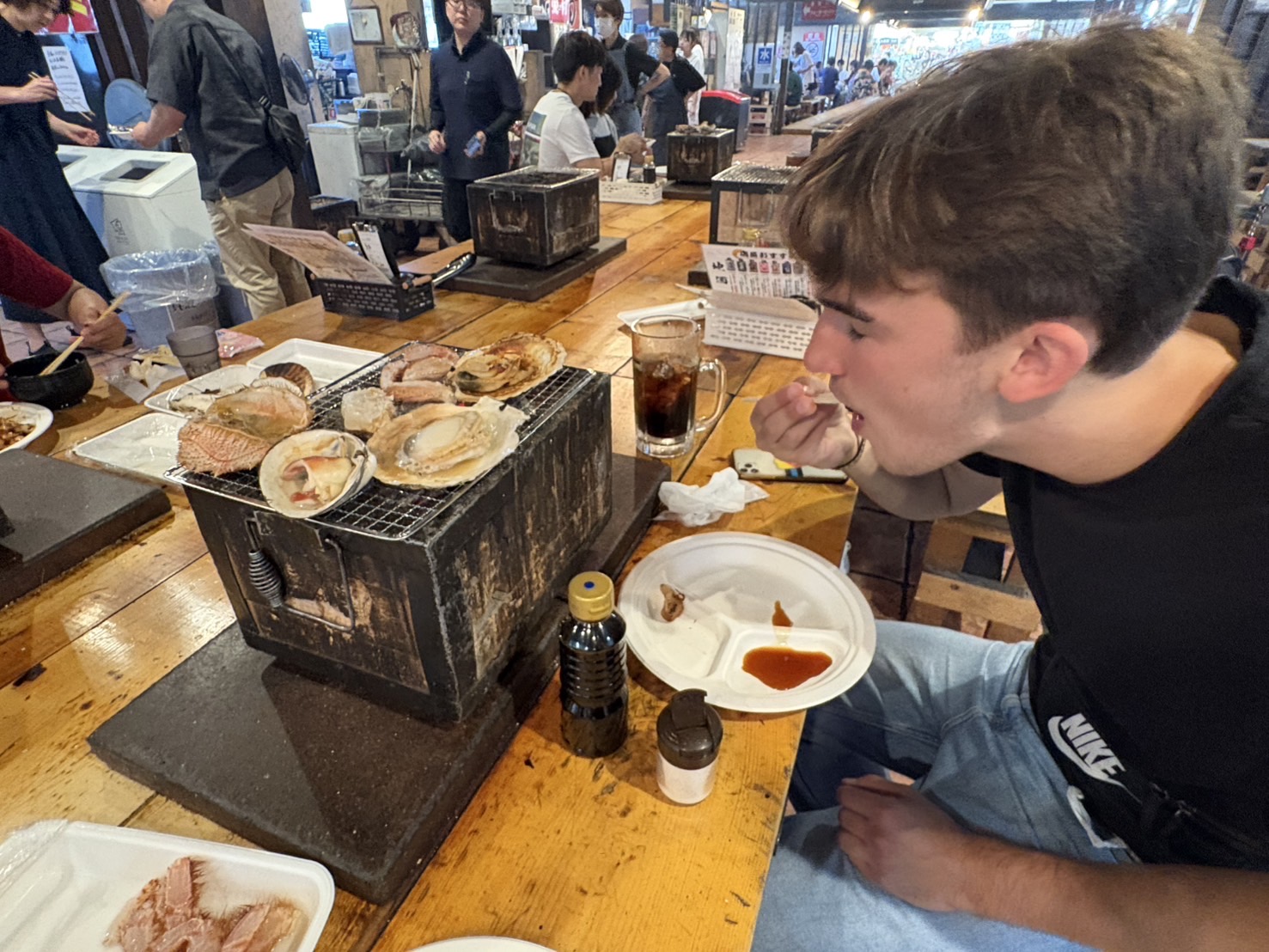
Marcus came to Japan for a short exchange term at Waseda University — and took his rail pass north to Hachinohe first. Scallops and crab grilled over charcoal at Hasshoku Center, a day at Oirase Gorge and Lake Towada, and a night in the yokocho. A stay at Nvillage, written by the host.
Experiences locales
Voir toutes les experiences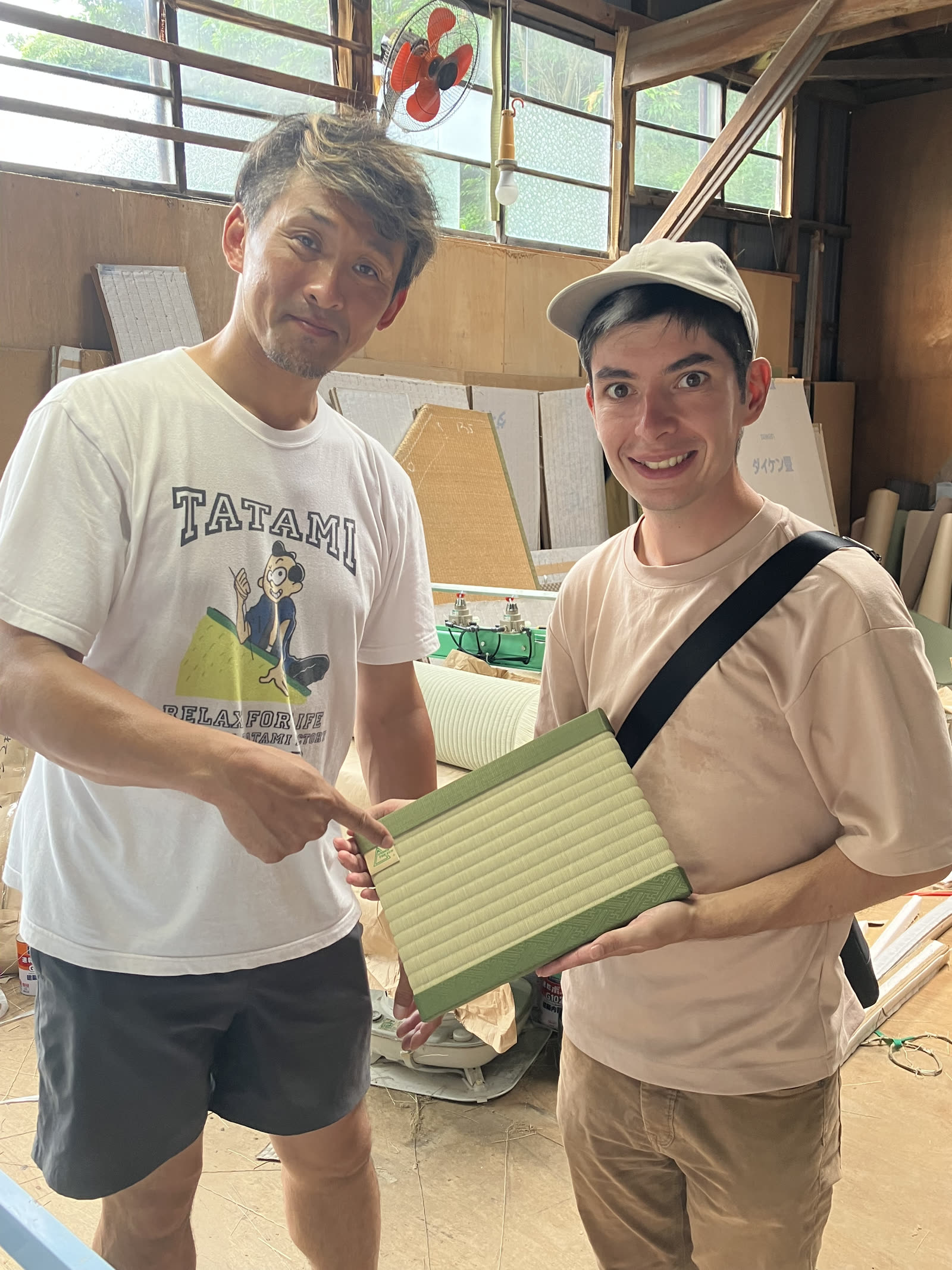
Un regard de pres sur le savoir-faire artisanal dans un atelier vieux de 220 ans.
Une experience portuaire selon la meteo et la mer.
Une visite en petit groupe autour du sake local.
Questions fréquentes
L'arrivée se fait à partir de 15:00 et le départ jusqu'à 11:00. La maison est équipée d'une serrure connectée permettant une arrivée autonome : vous entrez en toute liberté, sans contrainte d'horaire d'arrivée.
Nous mettons à votre disposition un parking gratuit pour deux véhicules au maximum. Le nombre de places étant limité, la réservation préalable est indispensable. Merci de nous en informer au moment de votre réservation.
Il vous suffit de suivre les instructions que nous vous envoyons après votre réservation pour entrer grâce à la serrure connectée. Aucune remise de clés n'est nécessaire, ce qui rend les arrivées tardives ou matinales parfaitement fluides.
Le sauna tonneau extérieur est proposé en option payante, sur réservation préalable. Si vous souhaitez en profiter, merci de nous le signaler lors de votre réservation ou via Airbnb.
Nous mettons à votre disposition serviettes, shampoing, après-shampoing, gel douche et sèche-cheveux. Nous vous conseillons d'apporter votre brosse à dents et vos effets personnels.
Oui. Le logement dispose d'un bureau, de rangements ainsi que d'un lave-linge et d'un sèche-linge : il se prête parfaitement aux déplacements professionnels, aux séjours prolongés et aux longs déplacements. N'hésitez pas à nous contacter pour tout séjour de longue durée.
Pour toute autre question,
n'hésitez pas à nous écrire
Pour toute question avant réservation, consultez notre page réservation & informations.
Voir réservation & informations