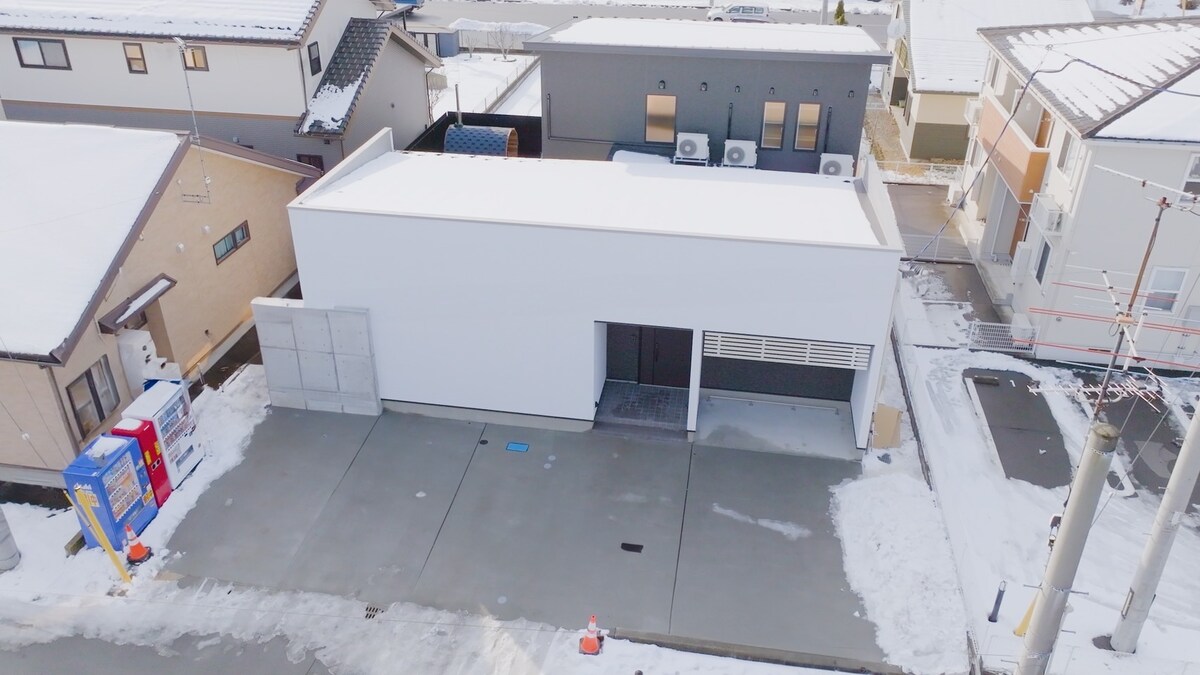
Guests who book for winter nearly always ask the same thing: if Hachinohe does not get much snow, what is there to do? The coast is windy, the trail is hard going, and the answer I give every time is skating. This city has been called the ice city of Japan for decades, and through the winter several public rinks are open. These are not pop-up rinks put up for tourists — they are where local people skate.
One of them is a few minutes' walk from Nvillage, on the west side of Hachinohe Station; the other two are a bus ride away. What follows is what I explain to guests before they set off: when each rink is open, what it costs, and what to bring. Prices and schedules move, so confirm the details on the city's own page before you go.
Why Hachinohe calls itself the ice city
This is not a recent marketing line. The first All-Japan Speed Skating Championships were held here in 1930, and the first winter National Sports Festival skating competition in 1947, two years after the war. The city has gone on hosting national competitions ever since: by the 2020 edition it had held the winter National Sports Festival thirteen times, more than anywhere else in the country. Speed skating and ice hockey became ordinary civic sports here, and that is where the nickname comes from.
The heart of it was the open-air 400m oval in Nagane Park, known simply as the Nagane rink, which carried both the competitions and the public sessions for decades. In 2019 that role passed to an indoor rink built in the same park: YS Arena Hachinohe.
The detail that surprises visitors is how domestic it all is. Some schools here teach skating in PE, plenty of households own a pair of boots per child, and on a public session you will find toddlers and people in their seventies on the same ice. A traveller skating alone does not stand out at all.
YS Arena Hachinohe: the country's third indoor 400m oval
YS Arena Hachinohe — officially the Nagane Indoor Skating Rink — opened on 29 September 2019 as Japan's third indoor speed skating venue. The ice is a full international 400m double track, 16m wide, under a roof. On a day when the wind is coming off the Pacific, that roof matters more than you would think.
On a public session you skate the 400m track itself, lap after lap. Guests who were picturing a shopping-mall rink say the same word when they walk in: big. A single lap is enough to leave you breathing hard. You do not need long speed-skating blades — ordinary rental boots are fine.
Besides the main oval there is a 16m by 16m sub-rink, and a running track that circles the ice, listed as open from 9:00 to 21:00. There is a training room too. So a companion who does not skate still has something to do in the building.
The building is open 9:00 to 21:00, closed on Mondays (the following day when Monday is a public holiday) and over the New Year. Details are on the city's page for the Nagane Indoor Skating Rink.
When you can actually skate: read the city's schedule table
This is where visitors come unstuck. The ice at YS Arena is not in all year, and even when it is, the session may be reserved for competitive skaters, a competition or a school. Whether there is a public session at all, and at what hour, changes from day to day.
As a rough guide: the 2025-26 public season opened on 5 October and ran into March. For 2026-27, the city's page said only that public opening was planned for around November when this article was written, in October 2026. If you are reading this in autumn, in other words, YS Arena may not be open yet.
The reliable answer is the city's monthly public skating schedule for the city's rinks, a single table covering YS Arena, Technol Ice Park and FLAT HACHINOHE: which days, which hours. It is updated when things change, so check it the day before rather than the week before. I ask guests to open it on the guesthouse wi-fi before they leave.
One thing worth knowing: when a national competition is in town, the ice, the training room and the running track all go to competitors for the duration. The flip side is that you can watch the competition instead. More than one guest has set out to skate and spent the afternoon in the stands.
Prices, rental boots, and the dress code
Public session prices at YS Arena Hachinohe, as of October 2026:
- Adults and university students — 700 yen
- High school students — 430 yen
- Junior high school students — 300 yen
- Elementary school age and under — 180 yen
- Skate hire — 300 yen, in sizes from 16cm to 30cm
So one adult, boots included, skates for 1,000 yen. Bring cash. Prices are revised from time to time, so check the city page above.
The rental range up to 30cm (around a men's US 12) is the part guests are relieved to hear. Most European and North American visitors are covered. If your feet are larger than that, call the rink ahead rather than hoping.
The boots you can borrow; the clothes you cannot. Public sessions at YS Arena require long sleeves, long trousers, a hat and gloves. Skirts are not allowed, and the hood of a hoodie does not count as a hat — a helmet does, in place of one. Arriving and being turned away over a missing hat is the saddest way to lose an afternoon, so I check with guests before they leave the house.
If you forget gloves, the café inside has been selling them for 100 yen. Even so, hat and gloves are the two things to put in the bag before you set off. The dress code is reissued each season, so read the notes attached to the schedule table above along with the times.
FLAT HACHINOHE: by the station, open all year
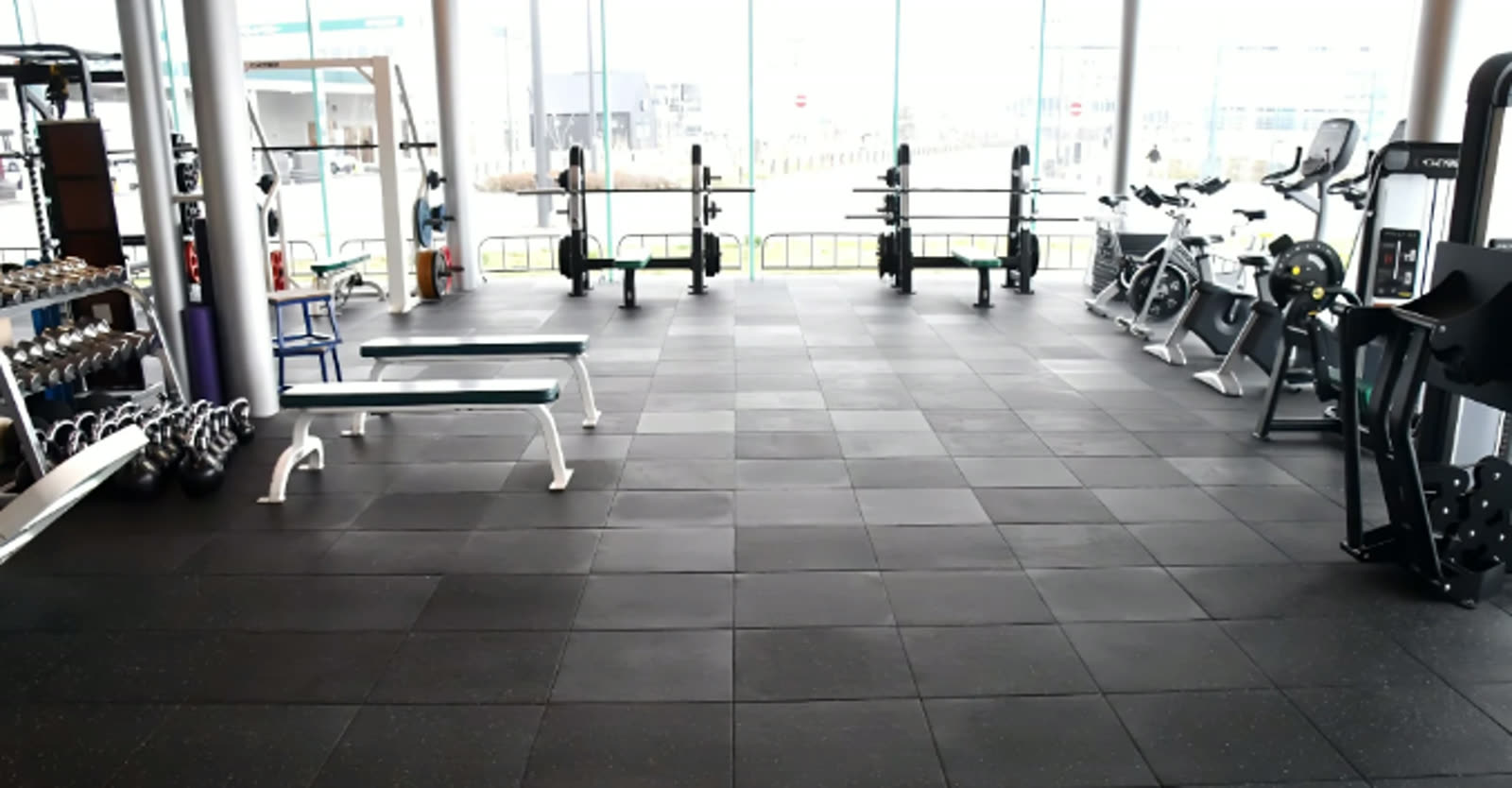
FLAT HACHINOHE is a multipurpose arena on the west side of Hachinohe Station, advertised by the venue itself as a two-minute walk from the Shinkansen station. From Nvillage it is a few minutes on foot. Having a rink that close to the front door is one of the quiet advantages of staying on this side of the station.
What makes it unusual is that it runs year-round. A movable insulated floor goes over the ice for concerts and indoor sports and comes off again to bring the rink back, so there are days you can skate here in August. The corollary is that on event days you cannot skate at all. Check the public session slots on the venue's schedule, then buy your ticket from the machine when you arrive.
One warning about prices. The walk-up public session on the FLAT HACHINOHE site is listed at 1,300 yen for adults and 700 yen for junior high age and under, with boots at 500 yen. The sessions that appear on the city's schedule table are priced quite differently — 580 yen for adults and university students. Same ice, different slot, different price, so be clear about which table you are reading before you go. Helmets are listed as free to borrow.
Technol Ice Park: the longest season in the city
The third rink is Technol Ice Park Hachinohe, also known as the Niida Indoor Rink, inside Niida Park. It is the home of local ice hockey and figure skating, and it has the longest public season of the three: typically from early September through to the end of April, closed on Thursdays (the following day when Thursday is a public holiday).
If you are here in November before YS Arena opens, or in April after it has closed, this is the rink that catches you. Competitions and private bookings still shorten some days, so check the city table first. Facility details are on the city's page for Technol Ice Park Hachinohe.
It is too far from Hachinohe Station to walk, so plan on a bus or a taxi. If the relationship between Hachinohe Station and the city centre is not clear to you yet, the piece on Hachinohe Station versus Hon-Hachinohe will make the rest of your moving around easier.
What I tell first-time skaters, every time
- Gloves are not optional, and not merely for comfort: wearing them is part of the dress code. Thick ones you do not mind getting wet
- A hat as well. A knit beanie is fine; your hoodie's hood is not, and will keep you off the ice. A helmet counts in place of a hat
- Wear heavy trousers. You will land on your backside and your knees, and thin denim means a cold walk home
- Do not over-layer on top. Indoor rinks sound cold, but you will sweat once you are moving. Layers you can take off are the answer
- Bring one pair of long socks. Skate boots clamp hard around the ankle and short socks rub
- If you are going down: bend your knees and get low first, go over sideways rather than straight back, and tuck your chin in. Keep your hands off the ice. A flat backward landing is how people hurt a tailbone and the back of a head, and a hand left on the ice is what someone else's blade finds
- For winter clothing generally, see the piece on what to wear in a Hachinohe winter
Wet gloves and trousers decide what you can do the next day. Nvillage has a washer and dryer, so put everything in when you get back and it is dry by morning. The barrel sauna (paid, by reservation) is the best possible end to a day on the ice.
Getting there, and how to build the half day
YS Arena sits inside Nagane Park, in the Uruichi district. By public transport it is a city bus: Shin-aramachi on the Nanbu Bus route, or Sakuragicho on some municipal bus services. You can walk from Hon-Hachinohe Station — other facilities in the same park are listed at around twenty minutes on foot — but on a winter evening a bus or taxi is kinder. Getting around from the station generally is covered on the access page.
The shape of the day I usually suggest:
- Morning — open the city schedule table and fix which rink is open, and when
- Midday — skate. Ninety minutes is plenty if you are not used to it
- Afternoon — into town for the markets and alleys described on the area guide
- Evening — eat and drink in a yokocho alley, then put the wet things in the machine before bed
Skating also works as the escape route on a day when the wind off the sea is too much, or when it is raining and nobody wants to be outside. Knowing one indoor place that holds half a day matters more than it sounds in a winter trip. Some guests pair it with a local experience such as the tatami workshop or the sake brewery.
Where to stay for this
If skating is part of the plan, base yourself near Hachinohe Station: the year-round rink is right there, and the buses to the others leave from the same place. Nvillage is a ten to twelve minute walk from the station's west exit, with smart-lock self check-in, so a late finish on the ice is nobody's problem.
The rooms and facilities are set up for longer stays. If you want to decide which day to skate once you see the forecast, that is fine by us — write via the contact page even before your dates are settled.